Phanes Therapeutics
Leading innovative drug discovery in immuno-oncology

About Phanes Therapeutics
Phanes Therapeutics, Inc. is a clinical-stage biotech company focused on innovative drug discovery and development in immuno-oncology. Phanes is conducting three Phase 2 clinical trials with spevatamig, peluntamig, and mavrostobart. The most advanced asset, spevatamig, a first-in-class CLDN18.2 × CD47 bispecific antibody developed using Phanes' proprietary technology platforms, has demonstrated positive Phase 2 results in first-line metastatic pancreatic ductal adenocarcinoma. Spevatamig was granted by the FDA orphan drug designation (ODD) for the treatment of pancreatic cancer in 2022, Fast Track designation for the treatment of patients with metastatic claudin 18.2-positive pancreatic adenocarcinoma in 2024, and in 2026, Fast Track designation for the treatment of advanced and metastatic biliary tract carcinoma. Peluntamig, a DLL3 × CD47 bispecific, is in clinical development for small cell lung cancer and neuroendocrine carcinomas. It has been granted orphan drug and Fast Track designations by the FDA.
Technology Platforms
The company has built a strong pipeline by leveraging its proprietary technology platforms: PACbody®, SPECpair® and ATACCbody® to develop novel biologics that address high unmet medical needs in oncology.
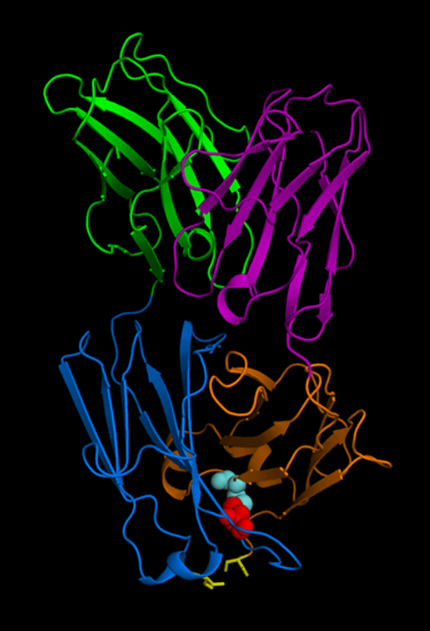
The PACbody® platform enables construction of native IgG-like bispecific antibodies (PACbodies) with drug-like properties. PACbodies are produced without any protein fusion steps, significantly reducing CMC risks. PACbody® has achieved CMC, regulatory and clinical validation.
The SPECpair® platform enhances the manufacturability of bispecific antibodies so that PACbodies can be produced using the conventional mAb manufacturing process. SPECpair® has achieved CMC, regulatory and clinical validation.
The ATACCbody® platform is an extension of PACbody® and SPECpair®, enabling reversible modulation of the anti-CD3 activity of T cell engagers. It’s designed to target solid tumors using immuno-oncology molecules with reduced risk of cytokine release syndrome (CRS).